Wood Floor Refinishing vs. Floor Replacement: How to Decide
People searching for wood floor refinishing often want to restore or update their floors, and local contractors can help decide whether refinishing or replacing is best for their needs.
Deciding between wood floor refinishing and floor replacement is a common consideration for property owners looking to refresh or upgrade their space. This decision can impact the overall look, feel, and longevity of a home's or business’s flooring, making it an important step in maintaining or enhancing property value. For those in the area exploring options, understanding the practical differences-such as cost, time, and the condition of existing floors-can help guide a more informed choice. Local contractors specializing in wood floor refinishing can assess the current state of a floor and recommend solutions that preserve the beauty of the wood while fitting the specific needs of each space.
Property owners often seek to weigh the benefits of refinishing versus replacing when their floors show signs of wear but remain structurally sound. Refinishing can restore a worn surface to a like-new appearance without the disruption of tearing out and installing new flooring, making it a compelling option for many. Conversely, in cases where the flooring has sustained significant damage or outdated styles, replacement might be the more practical route. These decisions are best made with insights from experienced service providers who understand local building conditions and can help evaluate whether refinishing or replacement aligns with long-term goals. Keep reading to learn how to evaluate your flooring needs and find the right local experts to assist.
- Lightly worn floors - local contractors can assess whether refinishing will restore the appearance or if replacement is necessary to achieve a fresh look.
- Deep scratches or gouges - service providers evaluate if sanding and refinishing can effectively remove damage or if structural issues require new flooring.
- Water damage or staining - local pros determine if refinishing can conceal or repair water spots, or if the damage warrants replacing sections of the floor.
- Age and wear - experienced contractors consider whether refinishing can extend the life of older floors or if a full replacement better suits the condition.
- Floor material and finish - local service providers analyze the type of wood and finish to decide if refinishing is feasible or if replacement offers a more durable solution.
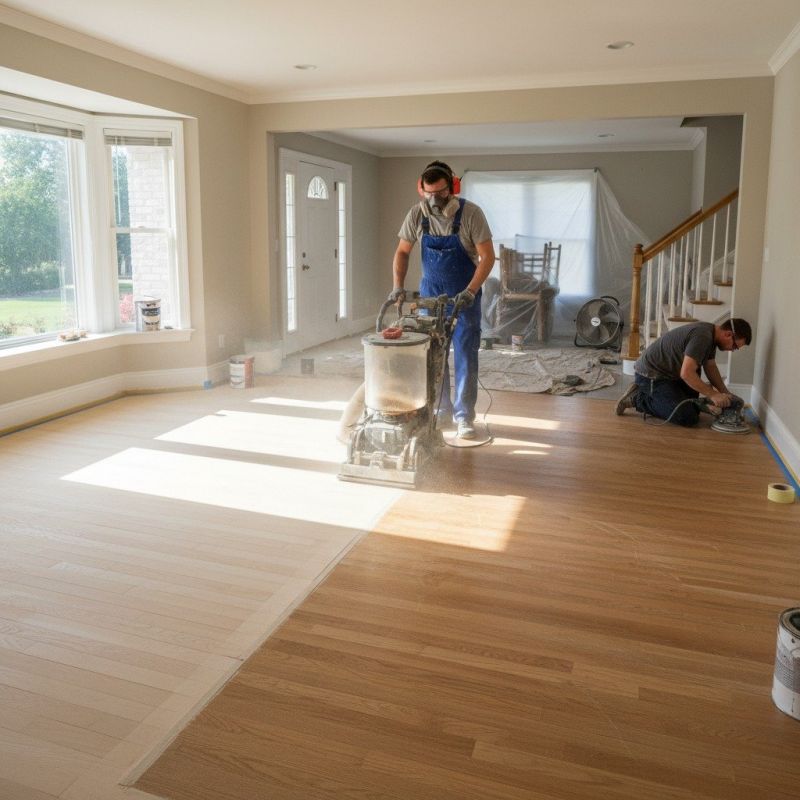
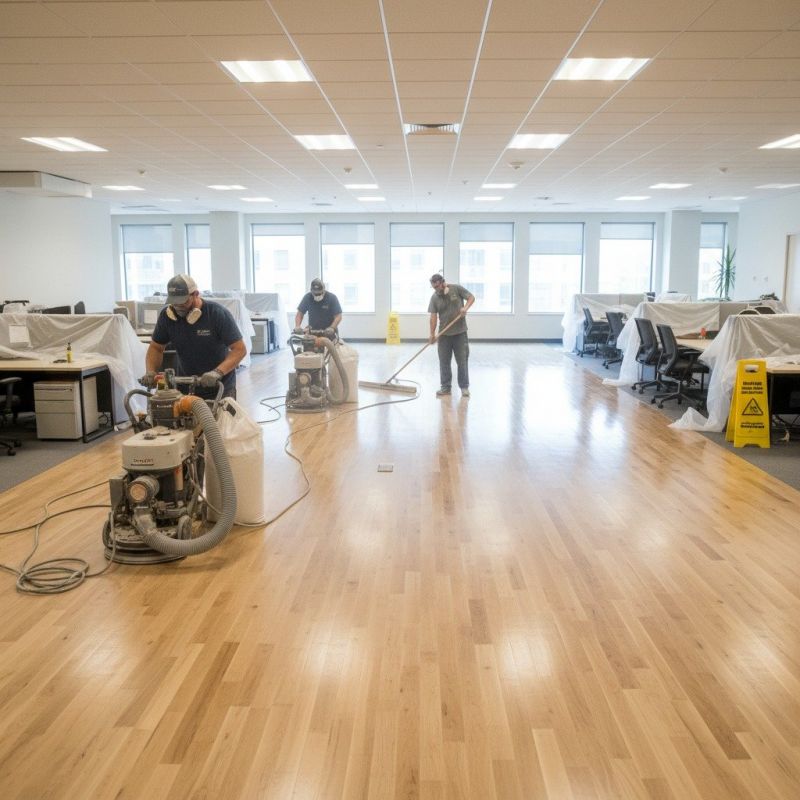
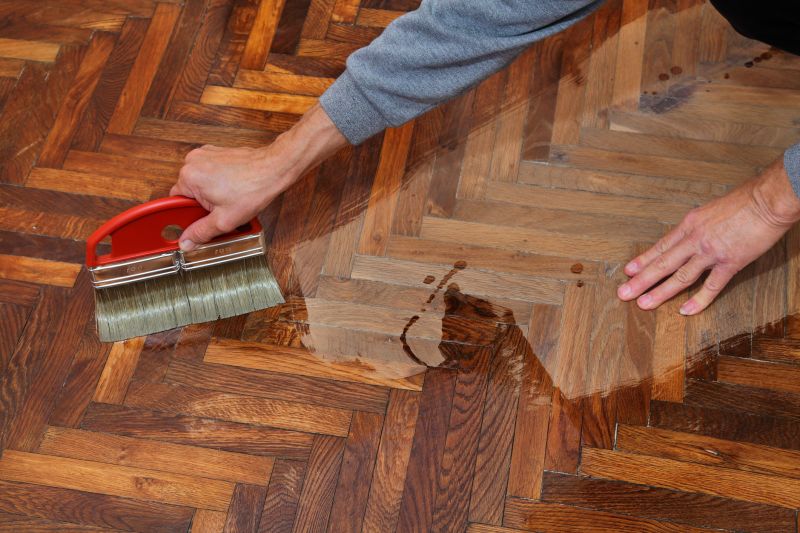
When homeowners search for wood floor refinishing vs. floor replacement: how to decide, they are often trying to determine the best way to restore or upgrade their existing hardwood floors. This topic usually comes up when a homeowner notices signs of wear, such as scratches, dullness, or discoloration, or when planning a renovation to improve the appearance and value of a property. Many are faced with questions about whether refinishing can bring back the original beauty of their floors or if replacement is necessary due to severe damage. Understanding the differences helps property owners make informed decisions aligned with their goals, whether they want to preserve the character of their floors or update the style entirely.
The decision between refinishing and replacing wood floors relates to specific problems and future plans for a property. For example, if the floors are structurally sound but show surface wear, refinishing can often restore their appearance at a lower cost and with less disruption. Conversely, extensive damage such as deep gouges, water damage, or warped boards might necessitate a full replacement to ensure durability and a uniform look. Homeowners also consider their long-term plans-whether they want to maintain the existing style or change to a different flooring type. Local service providers who specialize in wood floor refinishing and replacement can evaluate the condition of existing floors and help homeowners weigh options based on their specific circumstances.
The types of properties that typically come up in discussions about wood floor refinishing vs. floor replacement include residential homes, especially those with original hardwoods that have aged over time. Older houses often feature hardwood floors that can be revitalized through refinishing, preserving historical charm while avoiding the expense of full replacement. On the other hand, newer homes or properties with heavily damaged floors-such as those affected by water, pests, or neglect-may require full replacement to achieve a fresh, uniform appearance. Commercial properties and rental units also frequently encounter these decisions, especially when maintaining a certain aesthetic or ensuring longevity. Local contractors experienced in both services can provide guidance tailored to the property type and condition.
Overall, understanding the differences between wood floor refinishing and floor replacement helps homeowners make practical choices about restoring or upgrading their floors. Refinishing is generally suitable for floors that are structurally sound but need surface renewal, while replacement is better suited for severe damage or significant style changes. Connecting with local service providers who specialize in these areas allows property owners to evaluate their options accurately and choose the best approach for their specific project. Whether preserving the existing hardwood or installing new flooring, professional assessment and expertise are key to achieving a durable, attractive result that aligns with the property’s needs and goals.
Floor sanding and finishing - this project involves preparing and restoring existing wood floors, similar to refinishing, and can help evaluate whether refinishing can address wear or damage before considering replacement.
Subfloor repair and leveling - ensuring a stable and even surface is essential for both refinishing and replacement projects, and local contractors skilled in subfloor work can advise on the best approach.
Staircase refinishing - refinishing staircases shares skills with floor refinishing, including sanding, staining, and sealing, which are crucial for maintaining aesthetic consistency in a home.
Floor patching and repair - fixing damaged areas or filling gaps is a common step in both refinishing and preparing for floor replacement, requiring similar tools and techniques.
Custom staining and finishing - applying stains and protective finishes is a key part of wood floor refinishing, and can also be used to enhance the appearance of new or replaced flooring.
Underlayment installation - preparing subfloor surfaces with underlayment supports smooth installation and finishing, relevant to both refinishing projects and new floor replacements.
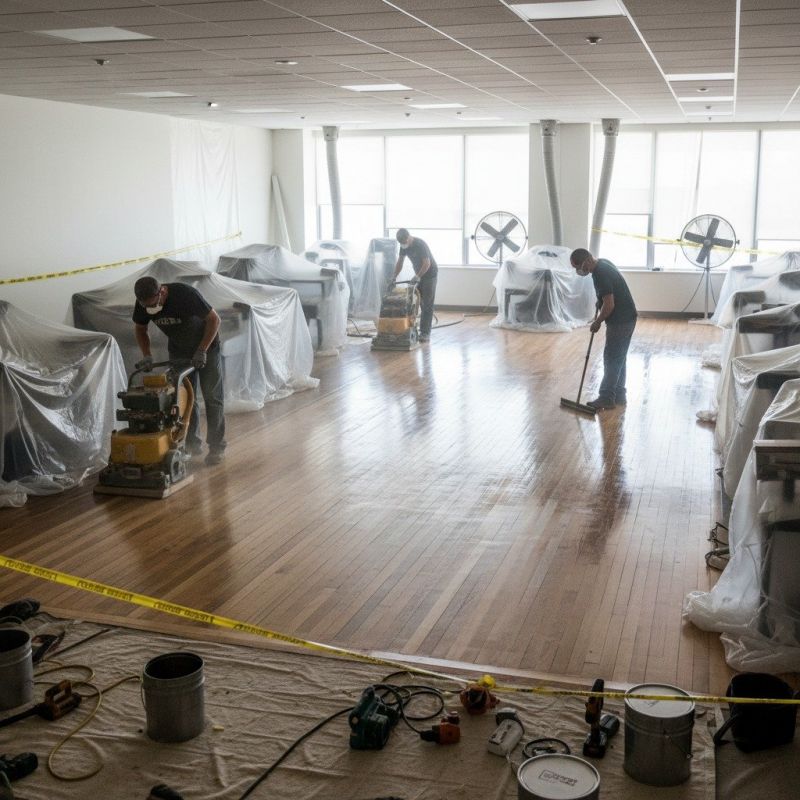
When evaluating wood floor refinishing services versus floor replacement, it’s essential to consider the experience of local contractors with similar projects. Homeowners should seek out service providers who have a proven track record of successfully handling refinishing jobs comparable in scope and style to their own floors. An experienced contractor will understand the nuances of different wood types, finishes, and existing conditions, which can influence the best approach for restoring the floor’s appearance and durability. Asking for examples of past work or references related to refinishing projects can provide insight into a contractor’s familiarity with the process and their ability to deliver quality results.
Clear, written expectations are a critical component when comparing local service providers for wood floor refinishing. Homeowners should request detailed descriptions of the scope of work, including preparation steps, materials used, and the number of coats or finishes applied. Having this information in writing helps ensure everyone is aligned on the project’s goals and reduces the potential for misunderstandings. It also provides a basis for comparing proposals from different contractors, making it easier to assess which provider offers the most comprehensive and transparent plan for refinishing versus opting for a full floor replacement.
Good communication and reputable references are key indicators of a reliable contractor. Homeowners should look for service providers who are responsive to questions, willing to explain their process, and able to provide references from previous clients who had similar refinishing work done. Speaking with past customers can reveal insights into the contractor’s professionalism, punctuality, and the overall quality of their work. Strong communication ensures that any concerns or changes can be addressed promptly throughout the project, helping homeowners make an informed decision about whether refinishing or replacing their wood floors is the best solution for their needs.
Property owners often search for wood floor refinishing vs. floor replacement: how to decide when they are planning practical projects around their homes and businesses. Local pros provide Wood Floor Refinishing services for everyday jobs and straightforward project options.
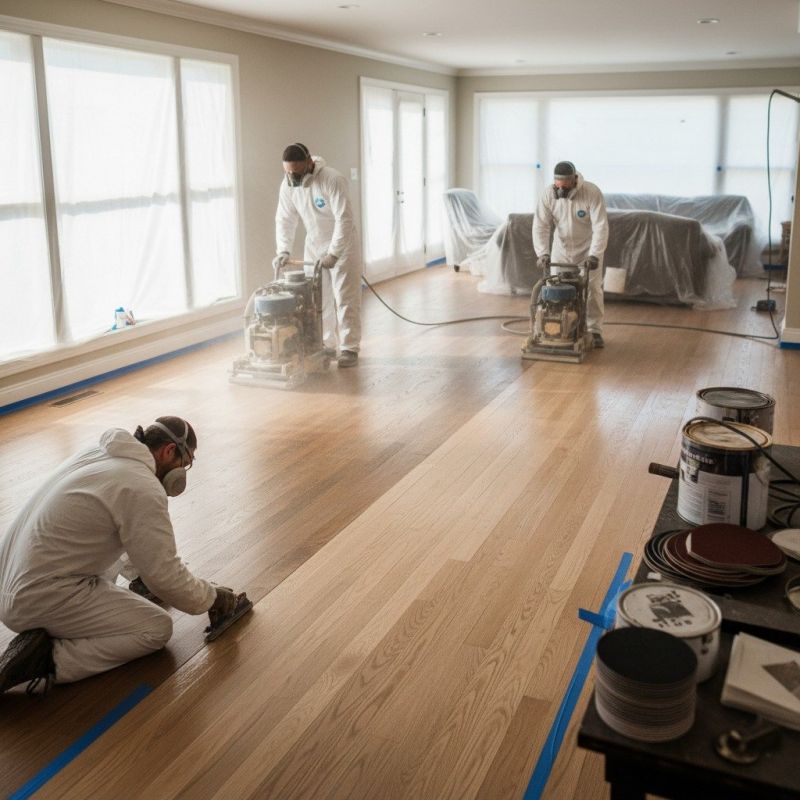
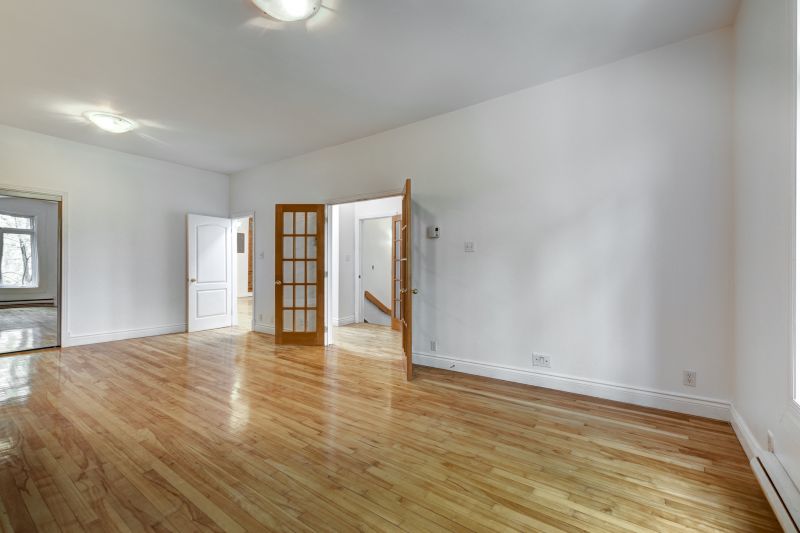
When deciding between wood floor refinishing and floor replacement, property owners often consider the condition of their existing flooring and their desired outcome. For homes with hardwood floors that have minor scratches, dullness, or surface wear, wood floor refinishing can be a practical solution to restore their original beauty without the need for complete replacement. Local contractors who specialize in refinishing services can assess the current state of the floors and recommend whether a simple refinishing job will be sufficient or if more extensive work is necessary. This approach is especially appealing for those looking to update their space while preserving the character of existing hardwoods.
On the other hand, floor replacement might be necessary when the flooring has sustained significant damage, such as deep gouges, water warping, or widespread structural issues that refinishing cannot address. Property owners facing these situations often seek out experienced service providers to explore their options. Local pros can help evaluate whether refinishing is a viable choice or if a full replacement will deliver better long-term results. Understanding the differences between these options can help homeowners make informed decisions that align with their renovation goals and the overall condition of their floors.
When should I consider wood floor refinishing instead of replacing the floor? If the existing hardwood is structurally sound, has minor surface damage, or only shows wear and scratches, wood floor refinishing services from local contractors can restore its appearance without the need for replacement.
How can I tell if my hardwood floor needs to be replaced rather than refinished? Significant damage such as deep gouges, warped boards, or widespread water damage may indicate that floor replacement is necessary, and local service providers can assess whether refinishing will be effective or if replacement is better.
What are the benefits of choosing refinishing over replacement? Refinishing preserves the original flooring, is typically more cost-effective, and can be completed faster, making it a practical choice when the floor's core structure remains intact.
Can local contractors help decide whether refinishing or replacing is best for my floor? Yes, experienced local service providers can evaluate the condition of your hardwood and advise on whether refinishing will meet your needs or if replacement is the more suitable option.
What factors should I consider when deciding between wood floor refinishing and replacement? Factors include the extent of damage, the age and type of flooring, and the desired final appearance, with local pros providing guidance based on your specific floor condition.
Assessing floor condition - property owners can evaluate whether their existing wood floors have deep damage or wear that might require replacement or can be restored through refinishing with the help of local contractors.
Considering aesthetic goals - homeowners should think about whether refinishing can achieve their desired look or if replacing the flooring is necessary for a completely new style or material update, with guidance from local pros.
Evaluating age and material - property owners can determine if their wood flooring’s age and type make refinishing practical or if the material’s condition suggests replacement is a better long-term solution, with advice from local service providers.
Matching project scope - deciding between refinishing and replacement involves considering the size of the area and existing damage, which local contractors can help assess to recommend the most suitable approach.
If you are thinking about wood floor refinishing vs. floor replacement: how to decide for a property, this guide is meant to help you understand this topic, the typical project types, and how different options might fit your plans.
When you are ready, you can use the quote form on this page to share a few details about your project. From there, local pros can review the basics and follow up with options that match what you have in mind.